
Why Spreadsheets Fall Short in Family Office Operations
The challenges of managing family office finances and investments can be as complex as they are diverse. From monitoring multiple portfolios to staying updated with various financial instruments, the task demands meticulous attention to detail. However, a prevalent pain point for many family offices lies in data management and collaboration.The reliance on disparate channels and manual processes often leads to headaches, inefficiencies, and data discrepancies that can hinder effective decision-making. When it comes to managing the complexity of wealth, family office software vs spreadsheets is no longer just a preference — it’s a strategic decision. While spreadsheets may be familiar, they’re no match for the real-time reporting, automation, and control offered by modern software solutions purpose-built for family offices.
The Pain Point: A Spreadsheet Nightmare
The pain point revolves around the cumbersome process of compiling financial data from various sources such as investment portals and PDF reports - sometimes even handwritten notes! This manual task involves transferring information into a master spreadsheet, leading to potential errors and discrepancies. Moreover, allowing multiple individuals access to this spreadsheet can result in unsolicited changes and version control issues, exacerbating the challenges of maintaining accurate financial records. This situation is not just frustrating, but also detrimental to the integrity of financial records.
How Family Office Software Solves Spreadsheet Limitations
The solution lies in family office software, which emerges as the knight in shining armor, poised to rescue from spreadsheet chaos and streamline operations.
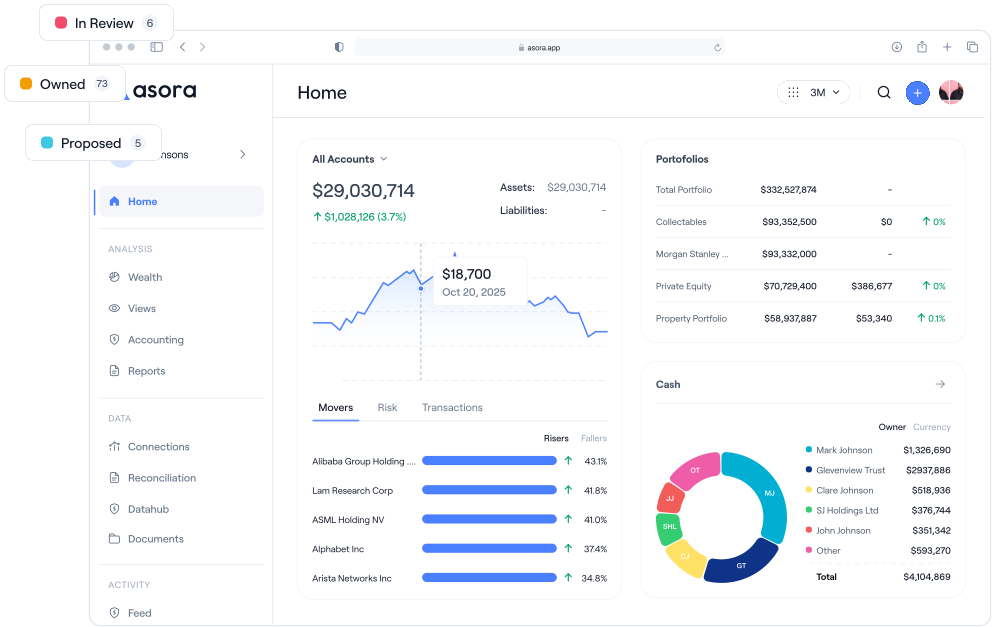
This specialised software is designed to cater to the unique needs of family offices, offering a comprehensive suite of tools to simplify data management, enhance collaboration, and provide actionable insights.
.png)
Benefits of Family Office Software
- Say goodbye to scattered information across various platforms. Family office software provides a centralised repository where all financial data—from investment portfolios to transaction history—is securely stored and easily accessible.
- No more manual data entry or hunting for information across different channels. Advanced algorithms within the software automate the process of aggregating data from diverse sources, ensuring accuracy and efficiency.
- Stay updated with the latest insights into your financial performance through timely reporting capabilities. Family office software offers customisable dashboards and reports that provide instant visibility into key metrics and trends.
- Bid farewell to version control headaches. Family office software enables seamless collaboration among team members, with features such as role-based access control, audit trails, and commenting functionalities.
- Protect sensitive financial information with robust security measures built into the software. From encryption protocols to access controls, family office software prioritises data security and compliance with industry standards.
Making the Transition from Spreadsheets to Software
Setting up family office software involves several key steps:
- Identify your specific requirements and objectives. Do you need comprehensive portfolio management? Advanced analytics? Tailor the software selection to align with your unique needs.
- Research and evaluate reputable family office software vendors. Look for features such as data integration capabilities, scalability, and user-friendly interfaces.
- Work with the chosen vendor to customise the software according to your preferences and workflows. This may include configuring dashboards, defining user roles, and integrating with existing systems.
- Ensure that your team receives adequate training on how to use the software effectively. Many vendors offer onboarding sessions and ongoing support to facilitate a smooth transition.
- Embrace a culture of continuous improvement. Solicit feedback from users, monitor performance metrics, and leverage software updates to optimise your operations over time.
Choosing the Right Tool for Modern Family Offices
In conclusion, the era of wrestling with cumbersome spreadsheets and manual data entry is coming to an end for family offices. With the advent of specialised family office software, managing finances and investments has never been more streamlined or efficient. By embracing this technology-driven solution, family offices can unlock new levels of productivity, collaboration, and insights, paving the way for sustained growth and success.
FAQs: Family office sofware vs spreadsheets
What are the risks of using spreadsheets in a family office?
Spreadsheets are prone to human error, version control issues, and lack audit trails—making them risky for managing complex family office data. Sensitive financial details can be accidentally overwritten, deleted, or shared without proper permissions. Over time, the manual upkeep becomes unsustainable and may lead to reporting inaccuracies, compliance breaches, or reputational damage.
When should a family office move from spreadsheets to dedicated software?
A family office should consider switching when spreadsheet complexity increases, reporting demands grow, or when errors and inefficiencies start affecting performance. If consolidating data across entities, assets, or custodians becomes a time drain, or if security and access control are concerns, purpose-built software offers a scalable and compliant solution.
Is family office software more secure than Excel or Google Sheets?
Yes, family office software is generally more secure. Unlike spreadsheets, it offers encrypted data storage, user access controls, and multi-factor authentication. This reduces the risk of data leaks or unauthorised access, especially critical when handling private financial or estate information.
Can family office software replace Excel completely?
Yes, platforms like Asora can fully replace spreadsheets for family office reporting, portfolio tracking, and consolidated views. Asora automates data aggregation, handles complex entity structures, and provides real-time dashboards, eliminating the need for manual spreadsheets. Thanks to Asora’s built-in flexibility and powerful reporting engine, there’s no need to rely on Excel even for ad hoc reporting.
How much does family office software cost vs managing spreadsheets in-house?
Family office software pricing can range from a few hundred to several thousand dollars per month, depending on the platform’s capabilities and level of support. While spreadsheets might appear low-cost, they come with hidden expenses: manual effort, version control issues, error correction, and inefficiencies. Asora offers full pricing transparency and typically delivers better ROI by saving time, reducing risk, and improving data accuracy at scale. Explore our pricing here.
What are the best alternatives to spreadsheets for family offices?
The best alternatives to spreadsheets are purpose-built family office software platforms that address specific needs like reporting, accounting, or investment tracking. Consolidated reporting platforms such as Asora and Masttro are ideal for real-time portfolio tracking, multi-entity consolidation, and automated data aggregation. For offices with deeper accounting requirements, platforms like Archway and Asseta provide robust general ledger capabilities. The right choice depends on whether your priority is streamlined reporting, accounting, or investment performance insights.
How do I choose the right family office software for my needs?
Start by identifying your core requirements: reporting needs, investment complexity, number of entities, and integration needs. Evaluate software based on scalability, user experience, customer support, and data security. Look for solutions with a proven track record in family office environments and request demos or trials to compare fit and value.
Still relying on spreadsheets?
Discover why family offices are switching to Asora.
FAQ
When should a family office move from spreadsheets to dedicated software?
A family office should consider switching when spreadsheet complexity increases, reporting demands grow, or when errors and inefficiencies start affecting performance. If consolidating data across entities, assets, or custodians becomes a time drain, or if security and access control are concerns, purpose-built software offers a scalable and compliant solution.
Is family office software more secure than Excel or Google Sheets?
Yes, family office software is generally more secure. Unlike spreadsheets, it offers encrypted data storage, user access controls, and multi-factor authentication. This reduces the risk of data leaks or unauthorised access, especially critical when handling private financial or estate information.
Can family office software replace Excel completely?
Yes, platforms like Asora can fully replace spreadsheets for family office reporting, portfolio tracking, and consolidated views. Asora automates data aggregation, handles complex entity structures, and provides real-time dashboards, eliminating the need for manual spreadsheets. Thanks to Asora’s built-in flexibility and powerful reporting engine, there’s no need to rely on Excel even for ad hoc reporting.
How much does family office software cost vs managing spreadsheets in-house?
Family office software pricing can range from a few hundred to several thousand dollars per month, depending on the platform’s capabilities and level of support. While spreadsheets might appear low-cost, they come with hidden expenses: manual effort, version control issues, error correction, and inefficiencies. Asora offers full pricing transparency and typically delivers better ROI by saving time, reducing risk, and improving data accuracy at scale. Explore our pricing here.
What are the best alternatives to spreadsheets for family offices?
The best alternatives to spreadsheets are purpose-built family office software platforms that address specific needs like reporting, accounting, or investment tracking. Consolidated reporting platforms such as Asora and Masttro are ideal for real-time portfolio tracking, multi-entity consolidation, and automated data aggregation. For offices with deeper accounting requirements, platforms like Archway and Asseta provide robust general ledger capabilities. The right choice depends on whether your priority is streamlined reporting, accounting, or investment performance insights.
How do I choose the right family office software for my needs?
Start by identifying your core requirements: reporting needs, investment complexity, number of entities, and integration needs. Evaluate software based on scalability, user experience, customer support, and data security. Look for solutions with a proven track record in family office environments and request demos or trials to compare fit and value.
Still relying on spreadsheets?
Discover why family offices are switching to Asora.

.png)

 ISO 27001 Certified
 GDPR Compliant